A relative's voice asks for urgent money, so is it really them?
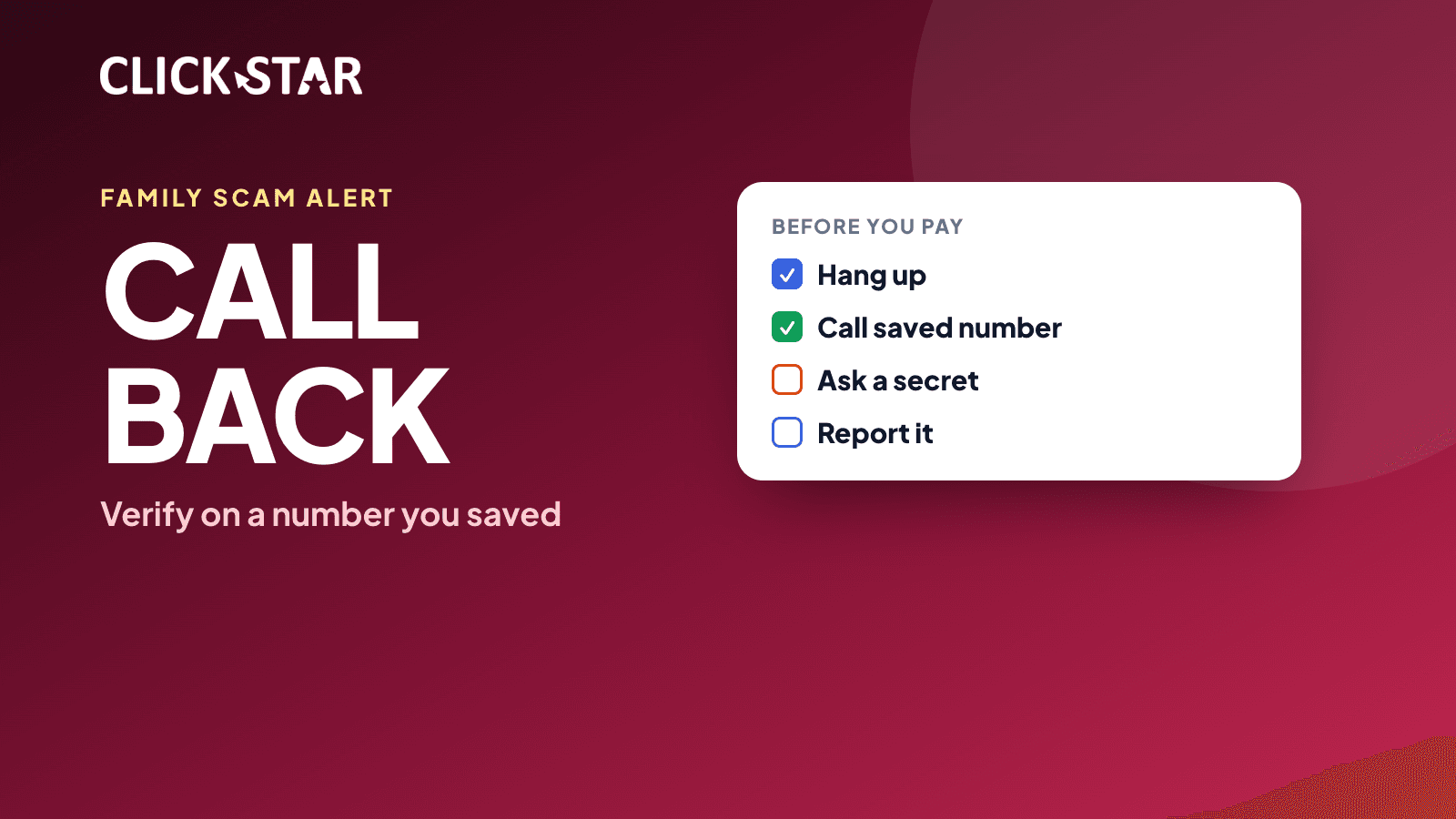
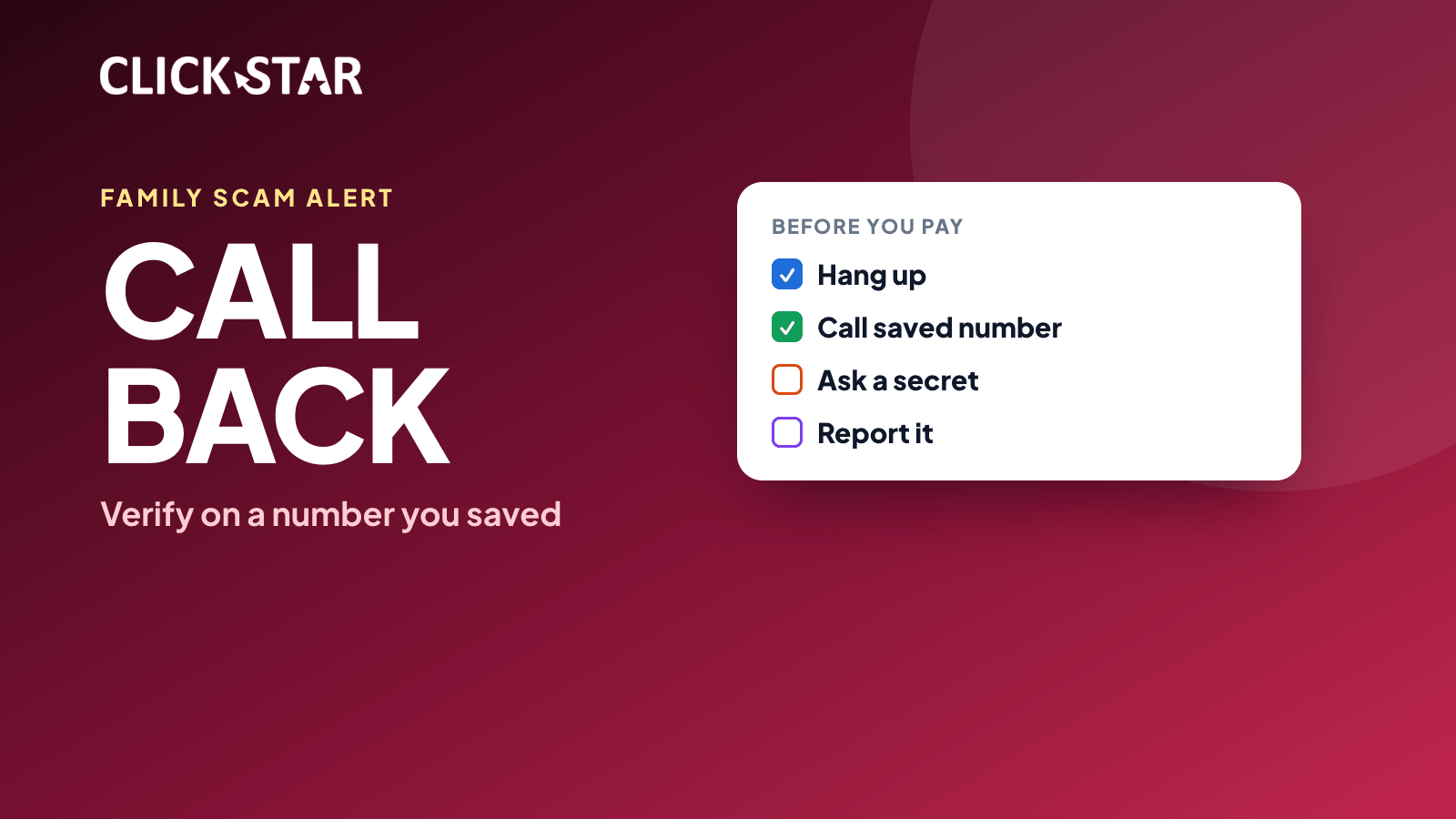
Scammers can use cloned voices to pose as a relative asking for urgent money. This article sums up FTC, FBI and Vietnamese authority warnings, the official numbers and how to verify.
Illustrative scenario, not a real case: late in the evening, an unknown number calls. The voice sounds exactly like a relative, panicked, saying money must be sent right now.
It draws on warnings from the US Federal Trade Commission (FTC), the FBI and Vietnam's Ministry of Public Security portal, the 2025 report of IC3 (the FBI's internet crime complaint center) and a UCL study in PLOS ONE. Checked on November 15, 2026.
VietNamNet Global and Báo Pháp luật Việt Nam are secondary sources.
It answers 3 questions: what scammers rely on, what the official numbers show, and how agencies advise verifying a caller. It covers warnings and prevention only.
Key points
- The FTC says a scammer needs a short audio clip of a relative's voice, which can come from content posted online, plus voice-cloning software. It advises calling back on a number you know is theirs.
- The FBI (notice on impersonation of US officials) advises listening closely to tone and word choice, while warning that cloned voices can sound nearly identical. Reading of this article: listening is only a secondary layer, so check through another channel.
- The 2025 IC3 report logs more than 22,000 complaints mentioning AI and losses above $893 million, out of $20.877 billion in total. The largest part is investment fraud, not relative impersonation.
- A UCL experiment found listeners spotted fake voices 73% of the time, in a lab setting with older synthesis methods.
- Vietnam has no public figure for this specific scam. Overall online-fraud money totals appear only in press coverage, which is secondary sourcing.
- The FTC and FBI share 1 core piece of advice: end the call and call back on a number you know is theirs. If money was sent, tell the bank at once.
How the "relative in trouble" scam works
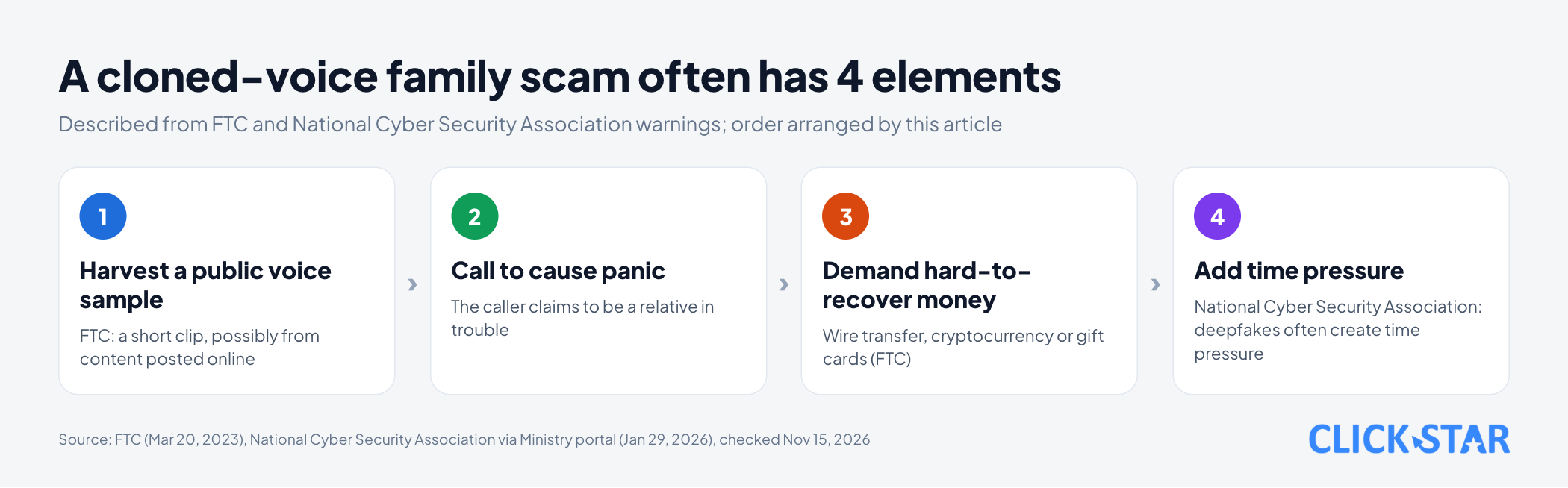
According to the FTC alert of March 20, 2023 (read on November 15, 2026), a scammer needs a short audio clip of a family member's voice and a voice-cloning program. The clip can come from content the person posted online. The FTC does not say how many seconds.
The same alert cites a caller posing as a grandson who wrecked a car and landed in jail. The FTC says scammers ask victims to wire money, send cryptocurrency or buy gift cards, ways that make the money hard to get back.
FBI notice I-120324-PSA (December 3, 2024) lists cloned voices posing as a relative in crisis, and AI video in live chats posing as executives or law enforcement.
Vietnam's Ministry of Public Security describes a similar scenario. Its article "Raising vigilance against 25 online fraud scenarios in 2026" (September 8, 2026) lists AI-made images, video and voices of relatives, friends or agency leaders used to borrow money or demand urgent transfers.
The National Cyber Security Association (article on the Ministry portal, January 29, 2026) says deepfakes often come with time-pressure scripts. Reading of this article: the scenarios target the recipient's reflexes of fear, affection and haste, and the technology only makes the plea more believable.
What the numbers show, and their limits
The 2025 IC3 report (FBI, read on November 15, 2026) records 1,008,597 complaints and $20.877 billion in losses reported by the public, up 26% from 2024. That is the total for all internet crime, not only AI.
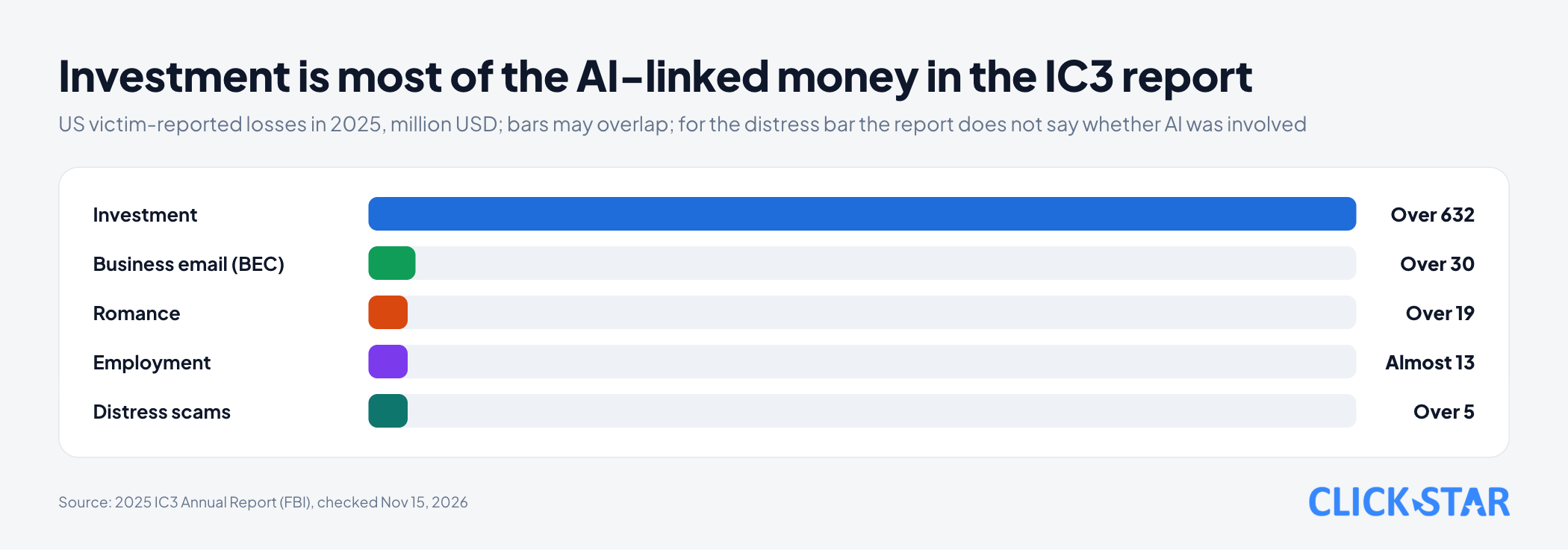
Within it, the "AI related" descriptor covers 22,364 complaints and $893,346,472 in losses. Each complaint has 1 crime type, so "AI related" is an extra label. Investment with an AI link exceeds $632 million, against total investment losses above $8 billion.
Other items: business email compromise (BEC) with AI above $30 million, romance scams with a likely AI link above $19 million, employment scams almost $13 million. Victims reported more than $5 million for "distress" scams, meaning a loved one in trouble, which the report files under confidence and romance scams.
The report does not say whether the $5 million sits entirely inside the $19 million "likely AI nexus" figure, so the 2 numbers should not be added together.
There are 2 limits. The data is self-reported, and IC3 says statistics are an assessment at a point in time that may change. In its investment section the report says many victims do not realize the extent AI may be involved. Reading of this article: the "AI related" figure may understate reality.
Why ears and eyes are no longer enough
FBI notice I-121925-PSA (December 19, 2025, about a campaign impersonating senior US officials) advises listening closely to tone and word choice to tell a real call from AI voice cloning, because they can sound nearly identical.
Reading of this article: if a fake can sound identical, listening is only a secondary check, not evidence to trust. The conclusion "listening is not enough" is this article's, not the FBI's.
For images, notice I-121925-PSA lists signs such as distorted hands, wrong shadows, call lag and stiff movement, yet says AI-generated content is often difficult to identify.
The study "Warning: Humans cannot reliably detect speech deepfakes" (UCL, PLOS ONE, August 2, 2023) had 529 people hear real and fake clips. They spotted fakes 73% of the time, in English and Mandarin alike.
When listeners compared a real and fake pair, they spotted the fake 85.59% of the time.
The authors note limits: older fake-making method (VITS), listeners knew fakes were present, and a 50/50 real-to-fake ratio, easier than real life. So it is not a rate for your call.
On images and voices in general, the National Cyber Security Association points the same way: an article on the Ministry of Public Security portal (January 29, 2026) relays its warning that images, voices and video are no longer a reliable basis to verify identity.
Reading of this article: lists of signs fail against a good fake. Rely on a routine that works even when the fake is flawless.
How verification is advised
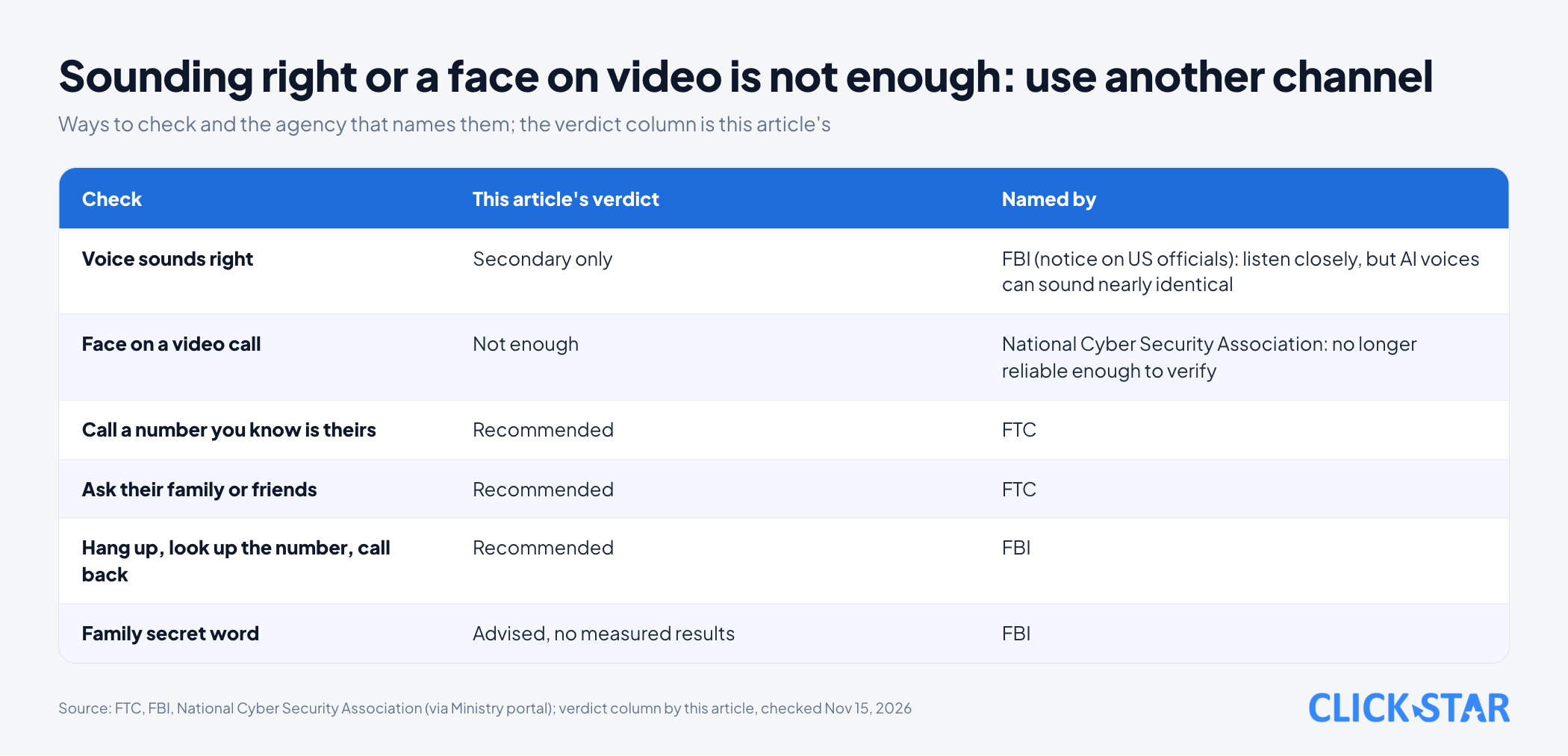
FTC (March 20, 2023): do not trust the voice, call the person on a number you know is theirs. If you cannot reach them, try family or friends.
FBI (I-120324-PSA, December 3, 2024): agree on a secret word or phrase with family. When in doubt, hang up and call the organization back on a number you look up yourself. It also advises limiting what you share online and keeping accounts private.
An expert (Hưng AI Creative) quoted in the Ministry portal article of January 29, 2026: slow down, verify through a second channel and keep biometric data private. Báo Pháp luật Việt Nam (June 22, 2026, secondary) says: verify by calling directly or meeting in person, and do not rush to trust images or video calls.
Reading of this article: the advice shares one idea, separating the verification channel from the request channel.
In Vietnam: what exists and what has no figure
Vietnamese agencies have warned about this scenario clearly, but no public figure for it was found, neither case counts nor losses.
Overall online-fraud totals appear only in the press. VietNamNet Global (January 12, 2026) relays a Ministry estimate: losses in the first 11 months of 2025 exceeded 6,000 billion VND. Báo Pháp luật Việt Nam (June 22, 2026) puts 2025 above 8,000 billion VND, with no case count.
The 2 figures cover different periods, are secondary and describe online fraud in general. A National Cyber Security Association survey puts the online-scam victim rate at 0.18% in 2025 and 0.45% in 2024 (Ministry portal, January 29, 2026).
VietNamNet Global (January 12, 2026) says the survey ran online on the Association's platforms, with over 60,300 users responding: about 1 in 555 reported being scammed in 2025, about 1 in 220 in 2024.
The sample is not small. Reading of this article: because it ran online on the Association's platforms, respondents may not represent the country, and the figure counts self-reported scam victims in general, not cloned voices.
Does a low 0.18% mean deepfake warnings are exaggerated? Reading of this article: no conclusion yet, because warnings describe risk while the survey counts people who say they were scammed in general.
If money has already been sent
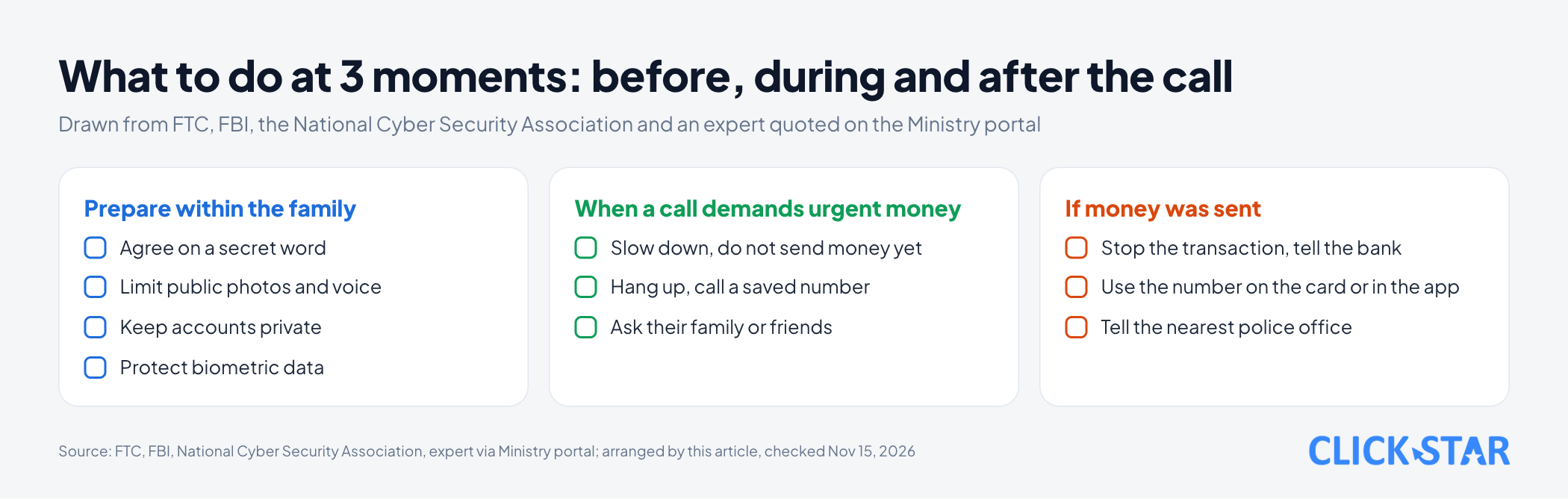
The Ministry (September 8, 2026) advises quickly informing the nearest police office when you suspect fraud. This article gives no hotline number because no official page confirming one could be opened.
The National Cyber Security Association (article on the Ministry portal, January 29, 2026) advises stopping the transaction and contacting the bank, platform or authorities. Reading of this article: call the bank on the number on the card or in its official app, never one a stranger gives.
In the US, the FTC page "What To Do if You Were Scammed" (shown as June 2026) gives steps by payment method: the issuer for gift cards, the exchange for cryptocurrency, the bank or card issuer at once to request a refund.
What to watch
- The next IC3 and FTC reports: whether they separate cloned voices or images of relatives, or keep them inside romance and impersonation.
- Whether the Ministry of Public Security or the National Cyber Security Association report relative impersonation as its own category.
- Updated FBI and Vietnamese authority advice on family code words and how to report.
- Detection and audio watermarking tools. The FTC (April 8, 2024) named Voice Cloning Challenge winners, but these are awarded ideas, not wide protection.
- How payment is demanded: transfers, cryptocurrency and gift cards remain the repeated signal in FTC and FBI warnings.
Common mistakes
- Believing you would recognize a relative's voice. The FBI notice on impersonating US officials warns that cloned voices can sound nearly identical, and the UCL test found listeners right only 73% of the time under easier-than-real conditions.
- Treating a face on a video call as proof. The National Cyber Security Association says images, voices and video are no longer reliable enough to verify identity.
- Relying only on lists of flaws such as distorted hands or wrong shadows. Seeing no flaw does not mean it is real.
- Calling back on a number supplied by the caller. The FTC advises using a number you already know is theirs.
- Assuming only older adults are targeted. The IC3 report has complaints in every age group, though that is for all internet crime.
- Taking 1 number as the full picture, such as IC3's $5 million for distress scams or the 0.18% (about 1 in 555) of the Vietnamese survey. Both have limits as described above.
What is not known
The FTC does not say how many seconds of audio are needed to clone a voice, so this article gives no number. There is no public figure for relative-impersonation scams using fake voices or images in Vietnam.
The IC3 report files distress scams under romance scams but does not say whether the $5 million sits entirely inside the $19 million "likely AI nexus" figure. No opened source measured how well family code words work, and the UCL test used older methods, so it is unclear how listeners fare today.
This article could not confirm a Vietnamese hotline or reporting portal from an official page it could open, so it lists no phone number. There is no data on how often money is recovered.
Related posts


Need tailored advice for your business?
Click Star helps you build a solution that fits your industry and scale. We answer every question during business hours.